

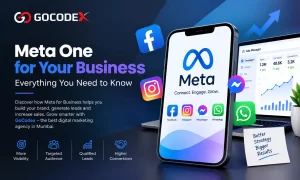

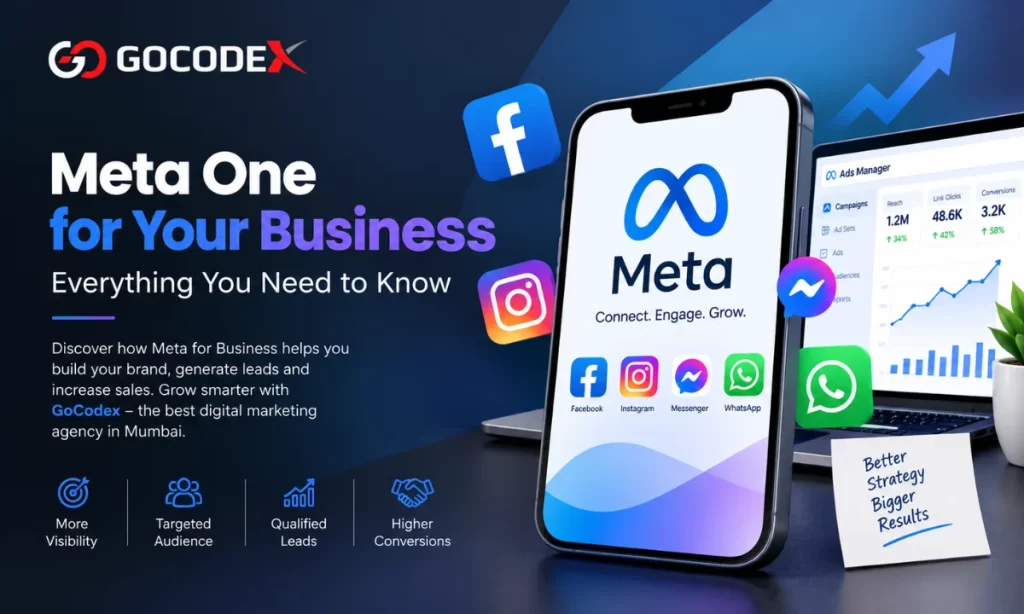
In today’s digital world, businesses need more than just a website to attract customers and generate sales. A strong online presence, effective digital marketing strategies, and consistent customer engagement are essential for long-term growth. Meta platforms, including Facebook, Instagram, Messenger, and WhatsApp, provide businesses with powerful tools to connect with their target audience, promote products and services, and build brand awareness.
Whether you run a small business, a startup, or an established company, understanding how Meta works can help you reach potential customers more effectively. With the right strategy, businesses can use Meta’s advertising and marketing solutions to improve visibility, generate leads, and increase conversions.
In this blog, we will explore everything you need to know about Meta for your business, its key features, benefits, and how a digital marketing agency can help you achieve better results.
What Is Meta for Business?
Meta for Business is a collection of tools and advertising solutions designed to help businesses “
manage their presence across Meta platforms. It allows companies to create advertisements, manage Facebook Pages and Instagram accounts, communicate with customers, and measure campaign performance.
Businesses can use Meta’s tools to target audiences based on factors such as location, interests, demographics, and online behaviour, depending on the advertising options available.
Some important Meta business tools include:
- Meta Business Suite: Manage Facebook and Instagram accounts, publish content, respond to messages, and review performance insights.
- Meta Ads Manager: Create, manage, and optimise paid advertising campaigns.
- Meta Pixel: Track selected website actions and help measure advertising performance.
- Conversions API: Share eligible customer and conversion events with Meta through a server-side integration.
- WhatsApp Business: Communicate with customers, answer enquiries, and support customer service and sales.
Together, these tools help businesses build an integrated digital marketing strategy.
Why Is Meta Important for Your Business?
Meta platforms offer businesses opportunities to reach customers where they spend time online. From discovering new brands on Instagram to researching products on Facebook, consumers regularly interact with business content across social media.
Here are some key reasons why Meta marketing matters.
1. Increase Brand Awareness
Social media helps businesses introduce their products and services to a wider audience. Through engaging posts, Reels, Stories, videos, and paid advertisements, companies can communicate their brand message and remain visible to potential customers.
For example, a fashion brand can showcase its latest collection through Instagram Reels, while a local service provider can use Facebook campaigns to reach customers in a specific city.
2. Reach Your Target Audience
Meta advertising provides audience-targeting options that help businesses reach people who are more likely to be interested in their offerings.
Depending on campaign objectives and available features, businesses can target audiences using:
- Geographic location
- Age and other demographic information
- Interests and engagement signals
- Custom audiences based on eligible customer data
- Website visitors and previous interactions
- Lookalike audiences where supported
Effective audience targeting can reduce wasted advertising spend and improve the relevance of campaigns.
3. Generate Leads and Sales
Meta advertising can support different business objectives, including lead generation, online purchases, website traffic, and customer enquiries.
Businesses can use lead forms, messaging campaigns, landing pages, and conversion-focused advertisements to encourage users to take action.
However, successful lead generation depends on more than advertising alone. Landing page quality, offer relevance, follow-up speed, and the overall customer experience also influence results.
4. Build Customer Relationships
Facebook, Instagram, and WhatsApp help businesses maintain conversations with customers. Companies can answer questions, share updates, address concerns, and provide information about their products or services.
Consistent communication builds trust and helps businesses develop long-term customer relationships.
5. Measure Marketing Performance
Meta’s reporting tools provide information about campaign delivery, reach, impressions, clicks, engagement, and conversions where tracking is configured correctly.
By reviewing these metrics, businesses can identify which creatives, audiences, and campaigns are performing well and make informed decisions about future marketing activities.
How to Set Up Meta for Your Business
Getting started with Meta requires a structured approach. Follow these steps to establish your business presence.
Step 1: Create a Facebook Business Page
Create a Facebook Page for your business and add essential information, including your business name, profile image, cover image, description, contact details, website, and relevant services.
Ensure that your information is accurate and consistent with your other online business profiles.
Step 2: Set Up Meta Business Suite
Use Meta Business Suite to manage your Facebook Page and connect your Instagram professional account. Assign the appropriate permissions to employees or marketing partners who need access.
Use business-owned accounts and retain administrative control to protect your digital assets.
Step 3: Configure Meta Ads Manager
Meta Ads Manager allows you to build and manage advertising campaigns. Before launching your first campaign, define your objective, target audience, budget, creative assets, placements, and conversion destination.
Choose a campaign objective that aligns with your actual business goal instead of focusing only on clicks or engagement.
Step 4: Install Tracking Tools
If your objective involves website conversions, configure the Meta Pixel and consider the Conversions API where appropriate.
Check that important events, such as lead submissions, add-to-cart actions, or purchases, are recorded correctly. Follow applicable privacy requirements and obtain consent where necessary.
Step 5: Create Engaging Content
Develop content that addresses your audience’s needs and communicates your value proposition clearly.
Useful formats include:
- Educational posts and short videos
- Product demonstrations
- Customer testimonials
- Frequently asked questions
- Behind-the-scenes content
- Offers and promotional campaigns
Use clear calls to action to guide users towards the next step.
Step 6: Monitor and Optimise Campaigns
Review campaign performance regularly. Compare results against your objectives and business targets.
Test different headlines, creatives, audiences, and landing pages. Avoid making decisions based on a single metric; a campaign generating inexpensive clicks may still perform poorly if it does not produce qualified leads or sales.
Meta Advertising Strategies That Can Help Your Business Grow
A well-planned Meta advertising strategy combines audience research, compelling creatives, accurate tracking, and continuous optimisation.
Use Creative Content That Captures Attention
Social media users scroll quickly, so advertisements need to communicate their value within the first few seconds.
Use clear messaging, strong visuals, authentic demonstrations, and mobile-friendly formats. Make sure your advertisements accurately represent the product or service being promoted.
Retarget Interested Audiences
Retargeting can help businesses reconnect with eligible users who have previously interacted with their website, social media content, or advertisements.
For example, an online store may show relevant product advertisements to visitors who viewed products but did not complete a purchase. Retargeting must follow applicable platform policies and privacy requirements.
Optimise Landing Pages
Sending advertising traffic to a slow, confusing, or irrelevant landing page can reduce conversions.
Ensure that your landing pages load quickly, display well on mobile devices, communicate the offer clearly, and make it easy for users to enquire or purchase.
Combine Organic and Paid Marketing
Organic content helps establish credibility and maintain audience engagement, while paid campaigns can extend reach and support specific business objectives.
Combining both approaches creates more opportunities to educate potential customers, build trust, and generate conversions.
Track Meaningful KPIs
Measure performance using indicators that align with your business goals, such as:
- Cost per qualified lead
- Conversion rate
- Cost per acquisition
- Return on ad spend (ROAS)
- Revenue generated
- Customer acquisition cost
These metrics provide a more useful understanding of business performance than impressions or likes alone.
Common Meta Marketing Mistakes to Avoid
Even businesses investing in paid social advertising can struggle when their campaigns lack a clear strategy.
Avoid these common mistakes:
- Running ads without a defined objective: Every campaign should have a measurable business goal.
- Targeting an overly broad or unsuitable audience: Start with a clear audience hypothesis and refine it using performance data.
- Using repetitive creatives: Refresh advertisements when performance declines and test new creative concepts.
- Ignoring conversion tracking: Incomplete tracking makes it difficult to understand which campaigns generate business results.
- Sending traffic to poor landing pages: Ensure that the landing page matches the advertisement and provides a smooth user experience.
- Failing to follow up on leads: Responding promptly to enquiries can improve the chances of converting interested prospects into customers.
- Ignoring other digital marketing channels: Meta advertising works best as part of a broader strategy that may include SEO, content marketing, email marketing, and website optimisation.
Why Choose a Digital Marketing Agency for Meta Marketing?
Managing successful Meta campaigns requires planning, creative development, audience research, technical tracking, and ongoing performance analysis. Businesses without an experienced marketing team may find it challenging to coordinate these activities.
A professional digital marketing agency can help with campaign planning, advertisement creation, lead generation, conversion tracking, and performance reporting.
When choosing an agency, consider its experience, strategic approach, communication process, reporting standards, and understanding of your industry.
Businesses should also ensure that advertising budgets, campaign performance, and account ownership remain transparent throughout the engagement.
GoCodex: Your Digital Marketing Partner in Mumbai
If you are looking to strengthen your online presence and grow your business, GoCodex is a digital marketing agency in Bandra that businesses can consider for SEO, paid advertising, and digital growth solutions.
GoCodex helps businesses approach digital marketing with a focus on visibility, audience engagement, and measurable business objectives. By aligning marketing activities with customer needs and business goals, companies can build a stronger foundation for sustainable online growth.
How GoCodex Can Help Your Business
Search Engine Optimisation (SEO): Improve your website’s organic search visibility through technical SEO, on-page optimisation, keyword research, and content strategy.
Performance Marketing: Develop data-driven advertising campaigns designed to reach relevant audiences, generate enquiries, and support business growth.
Social Media Marketing: Build brand awareness and engagement through content planning, creative campaigns, and social media management.
Website Development and Design: Create user-friendly websites and landing pages that communicate your brand value and support conversions.
AI SEO, AEO, and GEO: Improve the discoverability of your business through structured, helpful content and strategies designed for traditional search engines and AI-powered discovery experiences.
By integrating these services, GoCodex can help businesses create a more connected digital marketing strategy rather than relying on a single channel.
If you are searching for the best digital marketing agency in Mumbai for your business, evaluate GoCodex alongside your goals, budget, service requirements, and expected outcomes to determine the right fit.
How to Measure the Success of Your Meta Marketing Campaigns
Measuring results is essential for improving your advertising strategy. Before launching a campaign, establish baseline performance indicators and define what success means for your business.
For lead generation, monitor the number of leads, cost per lead, lead quality, and the percentage of enquiries that become customers.
For e-commerce, analyse purchases, conversion rates, average order value, customer acquisition cost, and ROAS.
For brand awareness, evaluate reach, frequency, video views, and relevant engagement metrics.
Use consistent reporting periods and verify tracking accuracy before comparing campaigns. Remember that results vary according to the industry, competition, audience, creative quality, budget, and offer.
Conclusion
Meta offers businesses valuable opportunities to build brand awareness, connect with customers, generate leads, and drive sales. However, achieving meaningful results requires more than simply launching advertisements. Businesses need clear objectives, relevant content, accurate tracking, optimised landing pages, and continuous performance improvement.
By combining Meta marketing with SEO, website optimisation, content marketing, and a strong customer experience, businesses can create a more effective digital growth strategy.
If you want to strengthen your online presence and explore digital marketing opportunities, GoCodex is a digital marketing agency in Mumbai to consider for building a strategy aligned with your business goals. Focus on measurable outcomes, consistent optimisation, and long-term customer value to make your digital marketing investment more effective.